


BEST OF OUR INJURY AND PREVENTION RESOURCES

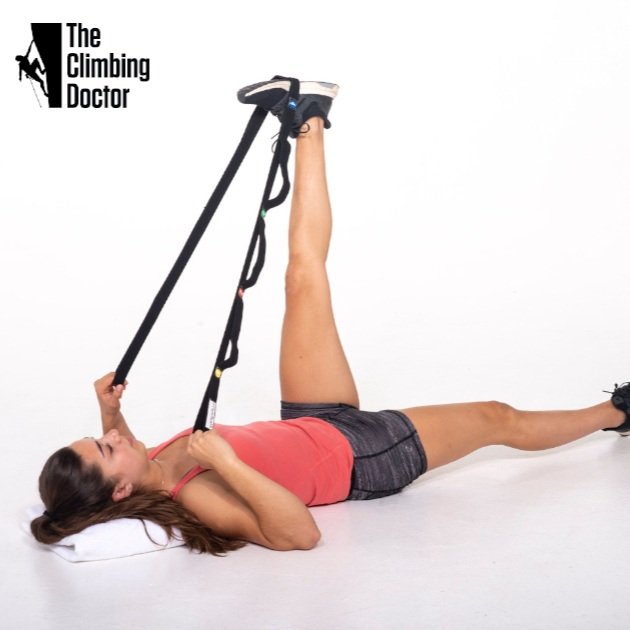





READ ARTICLES ABOUT INJURY AND PREVENTION

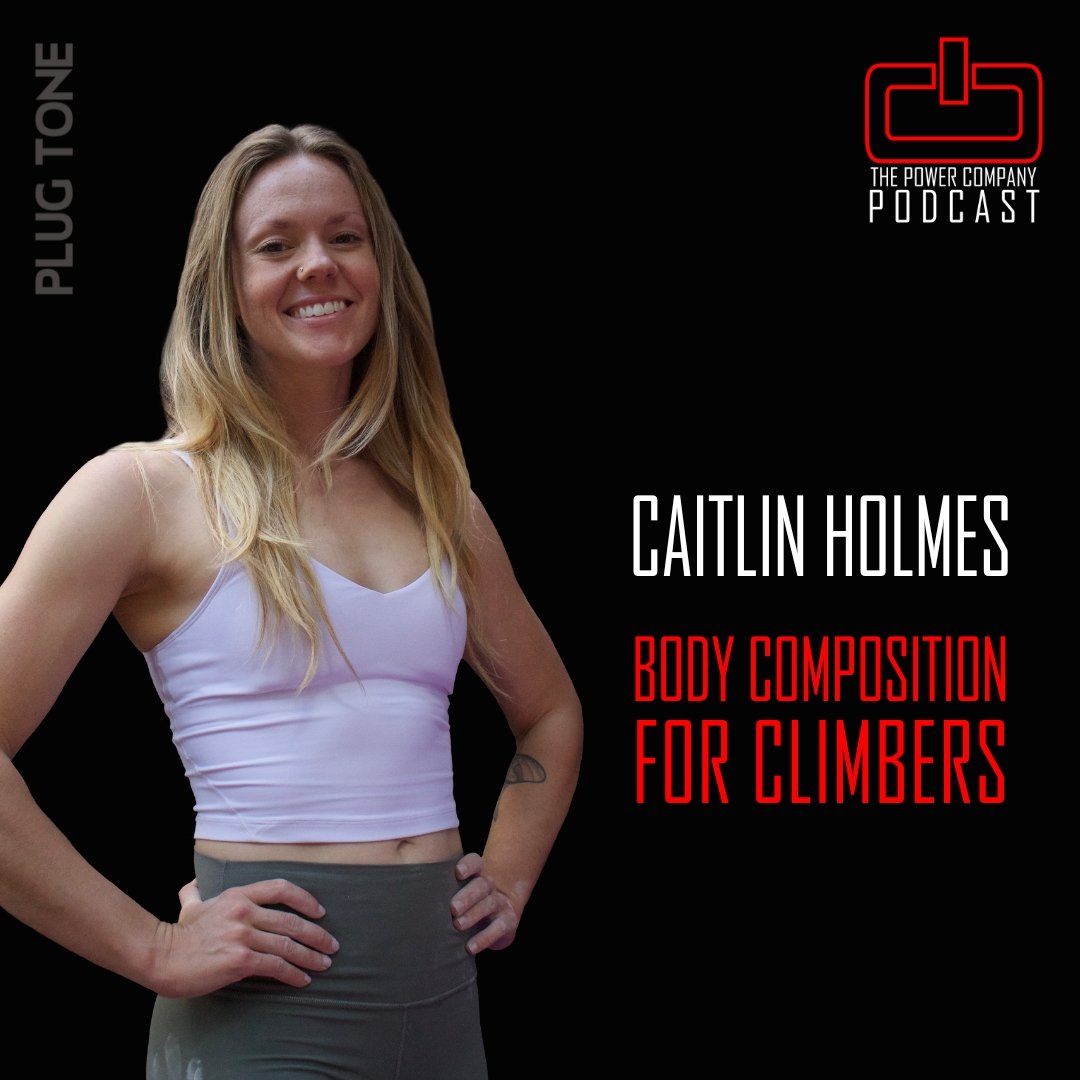





LISTEN TO PODCAST EPISODES ABOUT INJURY AND PREVENTION
STRENGTH TRAINING IS THE BEST INJURY PREVENTION

For climbers who want to learn to use kettlebells to improve their overall body strength and conditioning. Designed for use with your own climbing specific plan. Click for more info.
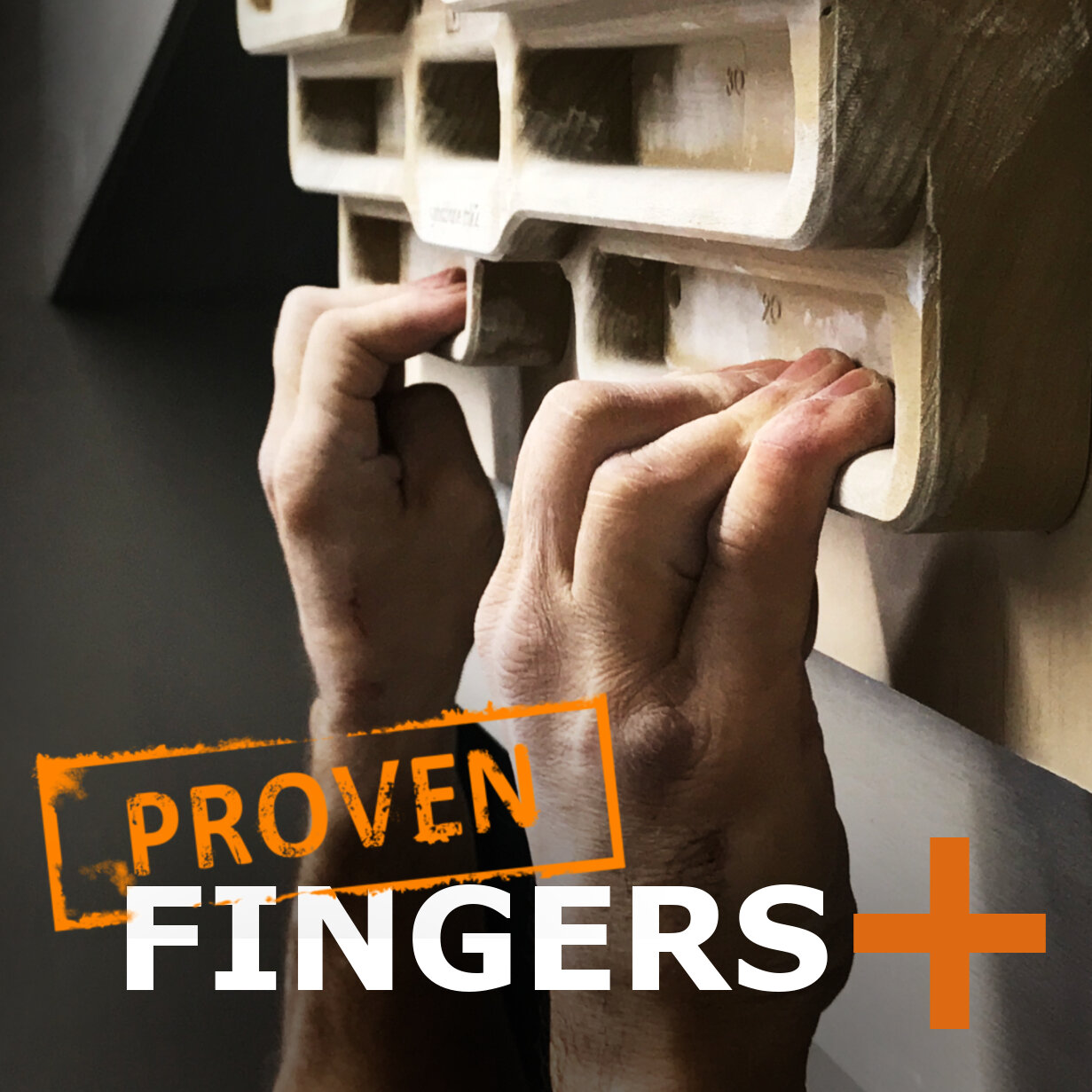
For all levels of climber, focused on finger strength and climbing specific body strength (pulling and hips) using your choice of strength training implements - or even bodyweight only. Includes access to coach-moderated group chat. Click for more info.
**1-on-1 coaching not available for this program.
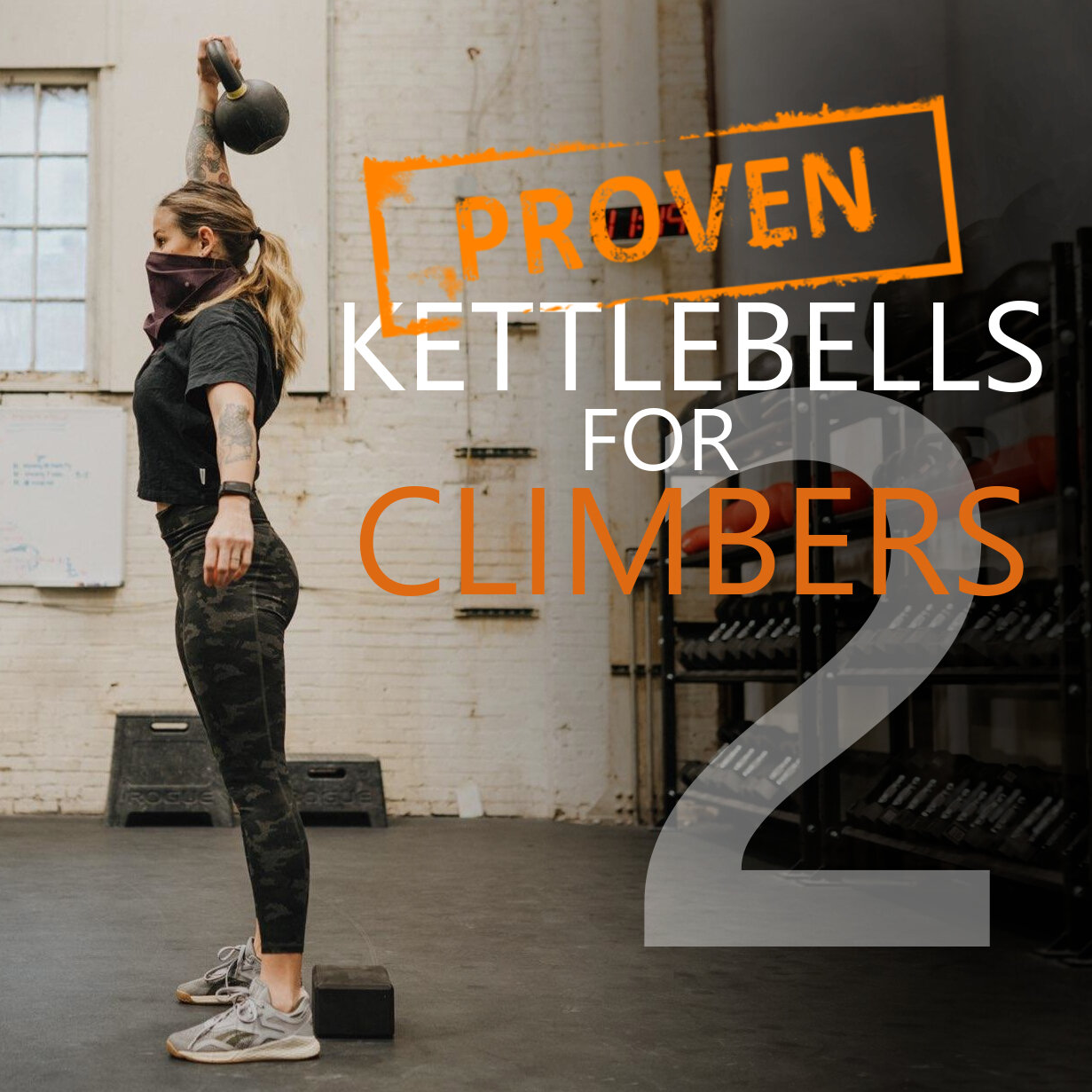
For climbers who want to further their kettlebell practice. While our first KB program is not a prerequisite, this is a more advanced plan, and assumes an understanding of KB fundamentals. Designed for use with your own climbing specific plan. Click for more info.
**1-on-1 coaching not available for this program.
Are you injured? Or is your brain just telling you that you are?