Expert | Rob Gray on How We Learn to Move and Skill Acquisition for Climbers (Part 2)
Rob Gray is an Associate Professor at Arizona State University, host of The Perception & Action Podcast, and a Skill Acquisition Specialist for the Boston Red Sox. He’s also the author of two great books, How We Learn to Move and Learning to Optimize Movement. In this Part 2 of 2, Kris and Rob discuss the differences between the two predominant theories of skill acquisition and adaptability – Information Processing and Ecological Dynamics – and how climbing coaches can use the Ecological framework and the Constraints-Led Approach to help climbers better learn to move.
EXPLORE FURTHER
Our entire movement skills resource library
Coaching for Mastery course mentioned in the episode
Follow Rob on Instagram
Check out The Perception & Action Podcast
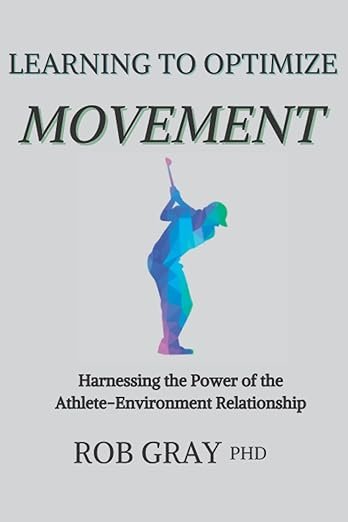
Check out Rob’s books:
SUPPORT + CONNECT
Help us keep the show sponsor-free when you join our Patreon Community for as little as $3.
Get two or more bonus episodes every month on Patreon, Spotify, or Apple.
Subscribe to THE CURRENT and get a monthly exploration of how we can all become better climbers.
Share this episode with a friend who needs to hear it.
CHAPTERS
(0:00) Intro
(2:00) Guest Introduction
(2:52) Topic Description and Movement Theories
(7:25) Why Rob Switched Sides
(9:44) Key Differences in Coaching Methods
(11:38) ANNOTATION: Poking Holes in Information Processing
(18:38) ANNOTATION: Dribbling Around Cones, System Boards
(20:38) The Constraints-Led Approach
(23:18) T.W.I.T. Coaching
(25:55) ANNOTATION: Kids Climbing Things Example
(28:50) ANNOTATION: Constraints Example in Climbing
(30:23) Perception and Action Coupling
(33:02) ANNOTATION: Systems Boards are Poor Skill Builders
(35:03) How Does Previewing Beta Fit?
(37:25) ANNOTATION: Technique vs. Adaptable Skill
(40:45) Wrap Up
LISTEN ON YOUR PODCAST APP OF CHOICE

We’re a proud founding member of the Plug Tone Audio Collective, a group of the best, most impactful podcasts in the outdoor industry.
Toe-hooking can seem more like sorcery than other techniques, but you’re probably just going about it the wrong way.
Despite being constantly present and often the reason we fail, Rhythm is the most underrated of the Atomic Elements of Climbing Movement.
Improving movement skills is by far the most abstract part of becoming a better climber. And arguably the most important part.
Sent in from YouTube subscribers, clients, and more, Kris answers more questions about climbing movement in this Part 2!
There’s A LOT of great information out there on how to climb harder. But it’s tough to sort through…
Sent in from our Patrons, Kris answers questions about what you want to know most when it comes to climbing movement.
Short climbers are good at getting scrunchy, and tall climbers are good at climbing extended, right? Wrong.
Kris and Paul dig into a paper that presents and then tests a method for measuring movement skills in sport climbing.
Nate talks movement analysis and technique in a consultation with host Ryan Devlin on The Struggle Climbing Show.
Kris presents his idea of the Atomic Elements of Climbing Movement to Nate and asks for his thoughts.
The former German National Team coach talks motor learning, coaching movement, and what makes Janja and Tomoa special.
One of the most common places things start to fall apart is at the very beginning of the move.
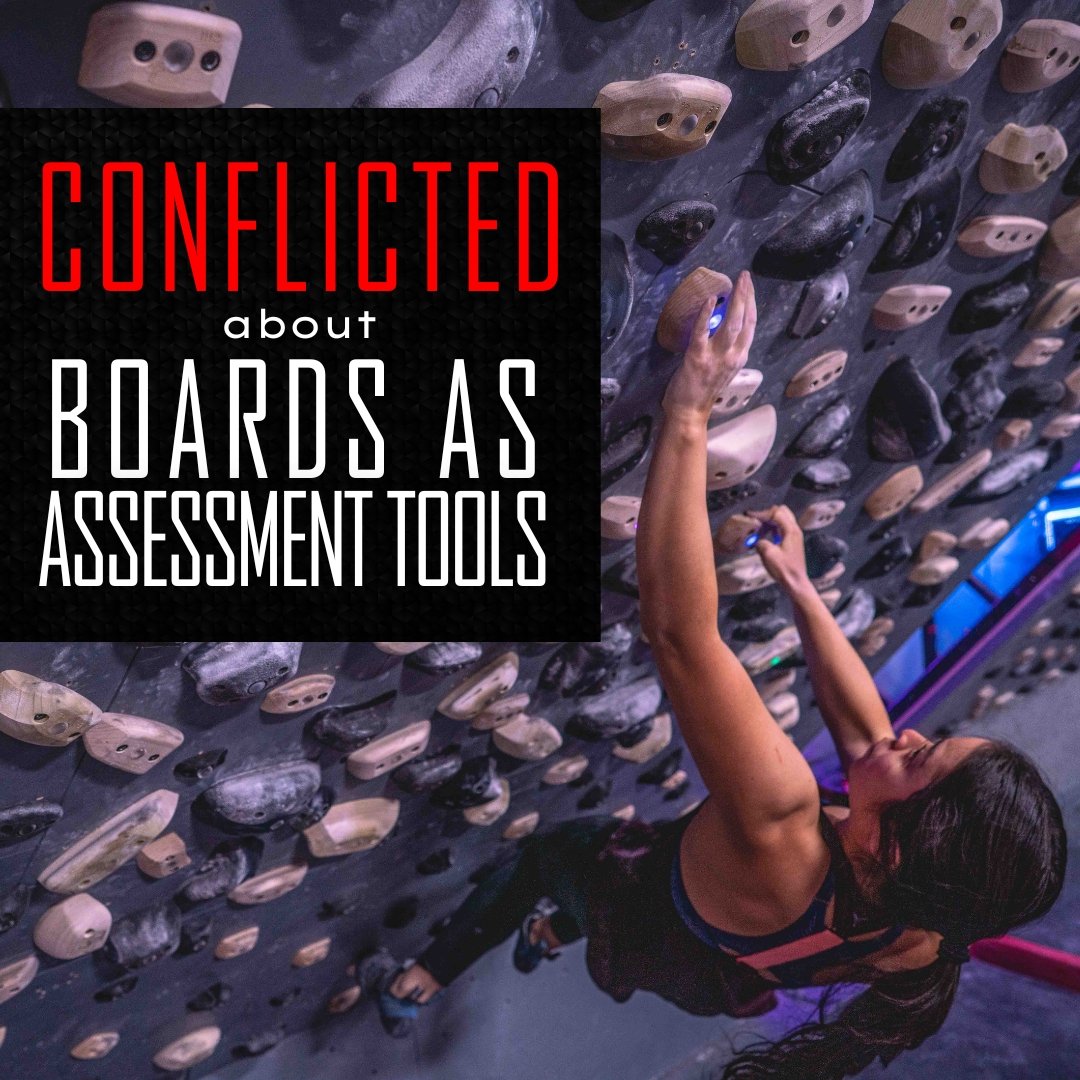
If we want to assess our climbing movement skills over time, are the standardized boards the best option? We're conflicted…
Co-founder of Tension Climbing, Will Anglin, talks movement skills, how climbers can continue improving, and the tools that can help.
Lauren Abernathy, coach and owner of Good Spray Climbing, works hard to help her clients – and herself – become better climbers.
We know spending time on a finishing link is smart tactics for hard climbs. So why not apply the same concept to individual moves?
How do we decide where to focus our efforts when it comes to becoming a BETTER climber – rather than just a stronger one?
Taylor Reed talks movement coaching and the role research plays in his evidence-informed coaching methods.
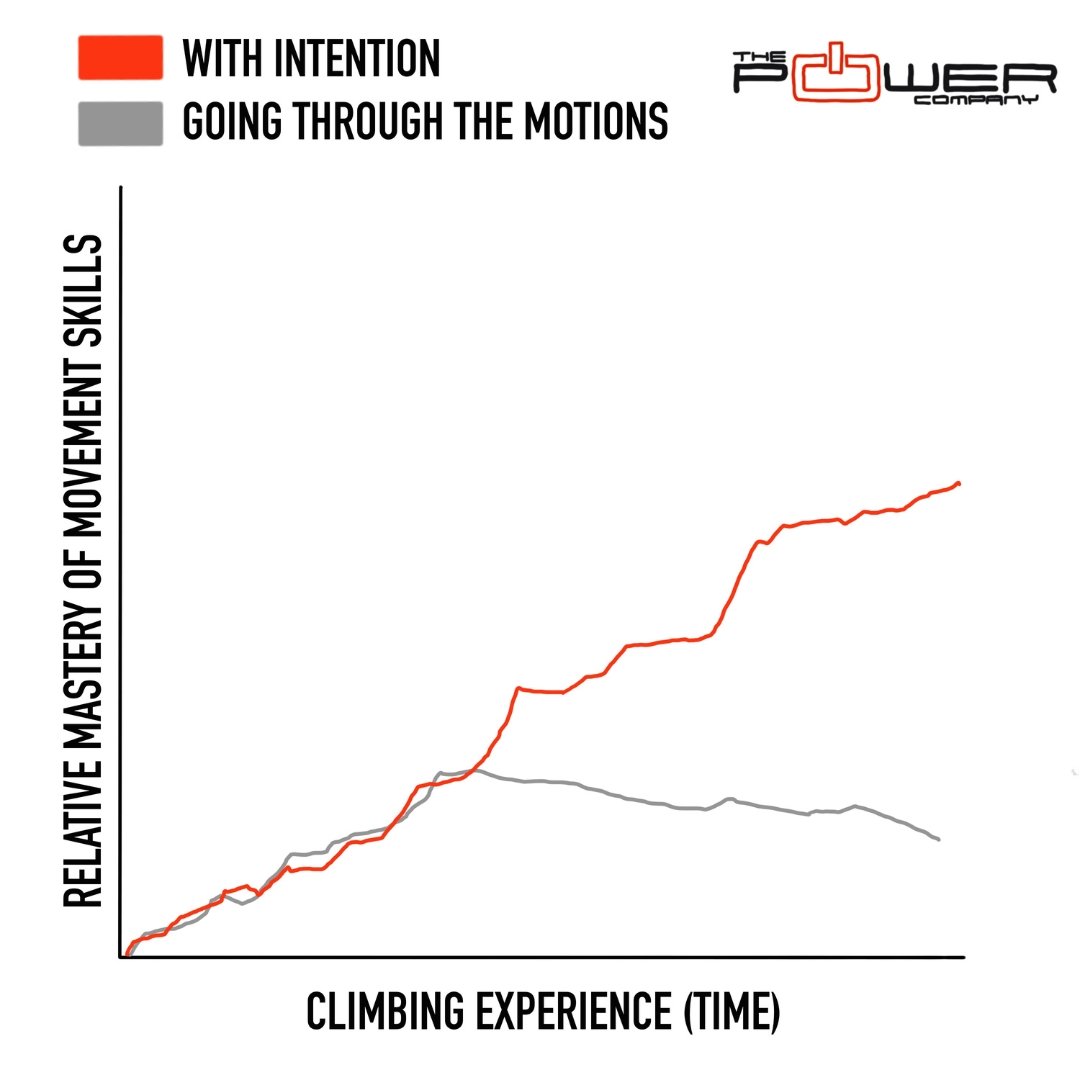
If the more you climb, the better you get, then why do we all know that one guy that’s been climbing forever and still stuck at 5.10?
One of our favorites: Kris and Nate discuss ideas about our mental models for learning, and how we might apply these ideas to climbing.
Rob Gray discusses two theories of skill acquisition and how climbing coaches can use them to help climbers better learn to move.
Kris sits down with shaper and setter Roy Quanstrom, of Tension Climbing to talk about his latest holds and more.
The difficulties of a task should be such that they help the learner translate the skill to performance.
You’re watching your client, student, partner, or bestie struggle. And you want to help. But how? It entirely depends on the goal.
A climber since 1994, Kris was a traddie for 12 years before he discovered the gymnastic movement inherent in sport climbing and bouldering. Through dedicated training and practice, he eventually built to ascents of 5.14 and V11.
Kris started Power Company Climbing in 2006 as a place to share training info with his friends, and still specializes in working with full time "regular" folks. He's always available for coaching sessions and training workshops.
A better way to view grades and progression?